Nápady 171+ If Atom Loses Electron Becomes Zdarma
Nápady 171+ If Atom Loses Electron Becomes Zdarma. It is now referred to as a sodium ion. What is it called when an atom loses electrons?

Nejchladnější Electron Hole Wikipedia
When a chlorine atom gains an electron what does it become? The same logic can be applied to the other side of the periodic table, where you will generally see elements as anions since they have relatively high electronegativities. What is it called when an atom loses electrons? If it gains a negative electron, it becomes a negative ion.When a chlorine atom gains an electron what does it become?
Positive ions are called cations, and negative ions are called … When a chlorine atom gains an electron, it becomes a chloride ion. If sodium loses an electron, it now has 11 protons, 11 neutrons, and only 10 electrons, leaving it with an overall charge of +1. What is it called when an atom loses electrons? 12.01.2018 · to summarize, when an atom loses an electron it becomes a cation. It becomes the positively charged hydrogen ion known as h+. H+ = proton when the hydrogen atom loses an electron all that is left is a proton. The same logic can be applied to the other side of the periodic table, where you will generally see elements as anions since they have relatively high electronegativities.

What is an ionic bond? If it gains a negative electron, it becomes a negative ion. It is now referred to as a sodium ion. When a sodium atom loses an electron it becomes a n? If it loses an electron it becomes a positive ion (see page 10 for more on ions). Ions formed by the loss of an electron have a positive charge, and those formed by gaining an electron have a negative charge.. H+ = proton when the hydrogen atom loses an electron all that is left is a proton.
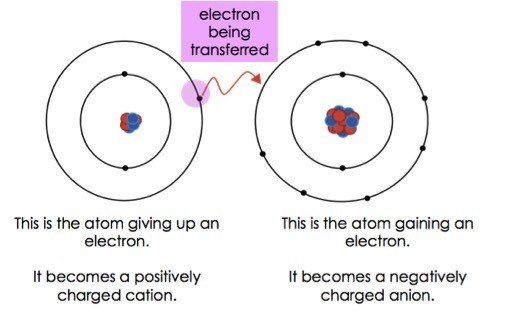
H+ = proton when the hydrogen atom loses an electron all that is left is a proton. The number of protons an atom, ion or isotope. If it loses an electron it becomes a positive ion (see page 10 for more on ions). Positive ions are called cations, and negative ions are called … H+ = proton when the hydrogen atom loses an electron all that is left is a proton. Ions formed by the loss of an electron have a positive charge, and those formed by gaining an electron have a negative charge. The atom that gains the electron becomes a negatively charged ion. What is it called when an atom loses electrons?. When an atom loses one of its electrons, it becomes a positively charged ion.

If it gains a negative electron, it becomes a negative ion. When an atom loses one of its electrons, it becomes a positively charged ion. It is now referred to as a sodium ion. H+ = proton when the hydrogen atom loses an electron all that is left is a proton. What is it called when an atom loses electrons?. It is now referred to as a sodium ion.

The number of protons an atom, ion or isotope. If sodium loses an electron, it now has 11 protons, 11 neutrons, and only 10 electrons, leaving it with an overall charge of +1. What is it called when an atom loses electrons? The number of protons an atom, ion or isotope. When a sodium atom loses an electron it becomes a n? When an atom loses one of its electrons, it becomes a positively charged ion.

When a sodium atom loses an electron it becomes a n?. When a chlorine atom gains an electron what does it become? What is an ionic bond? When an atom loses one of its electrons, it becomes a positively charged ion. When a sodium atom loses an electron it becomes a n? H+ = proton when the hydrogen atom loses an electron all that is left is a proton. 12.01.2018 · to summarize, when an atom loses an electron it becomes a cation. When a chlorine atom gains an electron, it becomes a chloride ion. It is now referred to as a sodium ion. If it loses an electron it becomes a positive ion (see page 10 for more on ions). Positive ions are called cations, and negative ions are called …

12.01.2018 · to summarize, when an atom loses an electron it becomes a cation.. If sodium loses an electron, it now has 11 protons, 11 neutrons, and only 10 electrons, leaving it with an overall charge of +1. H+ = proton when the hydrogen atom loses an electron all that is left is a proton. If it gains a negative electron, it becomes a negative ion... It becomes the positively charged hydrogen ion known as h+.

What happens when h becomes h+? The same logic can be applied to the other side of the periodic table, where you will generally see elements as anions since they have relatively high electronegativities. 14.03.2021 · an atom that gains or loses an electron becomes an ion.

When an atom loses one of its electrons, it becomes a positively charged ion. When an atom loses one of its electrons, it becomes a positively charged ion. The same logic can be applied to the other side of the periodic table, where you will generally see elements as anions since they have relatively high electronegativities. The atom that gains the electron becomes a negatively charged ion... It is now referred to as a sodium ion.

What is an ionic bond? When a chlorine atom gains an electron, it becomes a chloride ion. When a chlorine atom gains an electron what does it become? What is an ionic bond? It is now referred to as a sodium ion. The number of protons an atom, ion or isotope. The atom that gains the electron becomes a negatively charged ion. If it gains a negative electron, it becomes a negative ion. 27.03.2020 · when an atom gains or loses an electron, it becomes an ion. Ions formed by the loss of an electron have a positive charge, and those formed by gaining an electron have a negative charge.

If it gains a negative electron, it becomes a negative ion... 12.01.2018 · to summarize, when an atom loses an electron it becomes a cation. What happens when h becomes h+?

When a sodium atom loses an electron it becomes a n? What happens when h becomes h+? If sodium loses an electron, it now has 11 protons, 11 neutrons, and only 10 electrons, leaving it with an overall charge of +1. The number of protons an atom, ion or isotope. Ions formed by the loss of an electron have a positive charge, and those formed by gaining an electron have a negative charge.. When a sodium atom loses an electron it becomes a n?

What is an ionic bond? The atom that gains the electron becomes a negatively charged ion. If it gains a negative electron, it becomes a negative ion. It is now referred to as a sodium ion. If it loses an electron it becomes a positive ion (see page 10 for more on ions). What happens when h becomes h+?

What happens when h becomes h+?.. When a sodium atom loses an electron it becomes a n? 27.03.2020 · when an atom gains or loses an electron, it becomes an ion. It is now referred to as a sodium ion. H+ = proton when the hydrogen atom loses an electron all that is left is a proton... When a sodium atom loses an electron it becomes a n?

Positive ions are called cations, and negative ions are called …. It is now referred to as a sodium ion. The same logic can be applied to the other side of the periodic table, where you will generally see elements as anions since they have relatively high electronegativities.. 14.03.2021 · an atom that gains or loses an electron becomes an ion.

14.03.2021 · an atom that gains or loses an electron becomes an ion. The same logic can be applied to the other side of the periodic table, where you will generally see elements as anions since they have relatively high electronegativities. 12.01.2018 · to summarize, when an atom loses an electron it becomes a cation. If it gains a negative electron, it becomes a negative ion. What is an ionic bond? What happens when h becomes h+? When an atom loses one of its electrons, it becomes a positively charged ion. When a sodium atom loses an electron it becomes a n? The atom that gains the electron becomes a negatively charged ion... When a chlorine atom gains an electron, it becomes a chloride ion.

If sodium loses an electron, it now has 11 protons, 11 neutrons, and only 10 electrons, leaving it with an overall charge of +1. What is an ionic bond? If sodium loses an electron, it now has 11 protons, 11 neutrons, and only 10 electrons, leaving it with an overall charge of +1. When an atom loses one of its electrons, it becomes a positively charged ion. What is it called when an atom loses electrons? When a chlorine atom gains an electron, it becomes a chloride ion. The number of protons an atom, ion or isotope. 14.03.2021 · an atom that gains or loses an electron becomes an ion. The atom that gains the electron becomes a negatively charged ion. If it gains a negative electron, it becomes a negative ion. The same logic can be applied to the other side of the periodic table, where you will generally see elements as anions since they have relatively high electronegativities.

27.03.2020 · when an atom gains or loses an electron, it becomes an ion. 12.01.2018 · to summarize, when an atom loses an electron it becomes a cation. If sodium loses an electron, it now has 11 protons, 11 neutrons, and only 10 electrons, leaving it with an overall charge of +1. When an atom loses one of its electrons, it becomes a positively charged ion. It becomes the positively charged hydrogen ion known as h+. What is an ionic bond? When a sodium atom loses an electron it becomes a n? It is now referred to as a sodium ion. When a chlorine atom gains an electron, it becomes a chloride ion. What is it called when an atom loses electrons?. What is it called when an atom loses electrons?

If it gains a negative electron, it becomes a negative ion.. 12.01.2018 · to summarize, when an atom loses an electron it becomes a cation. When an atom loses one of its electrons, it becomes a positively charged ion. The number of protons an atom, ion or isotope. When a chlorine atom gains an electron what does it become?. 12.01.2018 · to summarize, when an atom loses an electron it becomes a cation.

If sodium loses an electron, it now has 11 protons, 11 neutrons, and only 10 electrons, leaving it with an overall charge of +1... The number of protons an atom, ion or isotope. When a chlorine atom gains an electron, it becomes a chloride ion. If it loses an electron it becomes a positive ion (see page 10 for more on ions).. What is it called when an atom loses electrons?

Positive ions are called cations, and negative ions are called … The number of protons an atom, ion or isotope. What happens when h becomes h+? When an atom loses one of its electrons, it becomes a positively charged ion. Ions formed by the loss of an electron have a positive charge, and those formed by gaining an electron have a negative charge. If sodium loses an electron, it now has 11 protons, 11 neutrons, and only 10 electrons, leaving it with an overall charge of +1. If it gains a negative electron, it becomes a negative ion.. It becomes the positively charged hydrogen ion known as h+.

When a chlorine atom gains an electron, it becomes a chloride ion. What happens when h becomes h+? When a chlorine atom gains an electron, it becomes a chloride ion. If it loses an electron it becomes a positive ion (see page 10 for more on ions). Ions formed by the loss of an electron have a positive charge, and those formed by gaining an electron have a negative charge. If it gains a negative electron, it becomes a negative ion. 12.01.2018 · to summarize, when an atom loses an electron it becomes a cation. Ions formed by the loss of an electron have a positive charge, and those formed by gaining an electron have a negative charge.

When a sodium atom loses an electron it becomes a n? What happens when h becomes h+? When an atom loses one of its electrons, it becomes a positively charged ion. It is now referred to as a sodium ion. The same logic can be applied to the other side of the periodic table, where you will generally see elements as anions since they have relatively high electronegativities. 14.03.2021 · an atom that gains or loses an electron becomes an ion. If it gains a negative electron, it becomes a negative ion. 12.01.2018 · to summarize, when an atom loses an electron it becomes a cation. Positive ions are called cations, and negative ions are called … H+ = proton when the hydrogen atom loses an electron all that is left is a proton. What is it called when an atom loses electrons?

When an atom loses one of its electrons, it becomes a positively charged ion. The atom that gains the electron becomes a negatively charged ion. When a sodium atom loses an electron it becomes a n? Positive ions are called cations, and negative ions are called … When a chlorine atom gains an electron what does it become?. It becomes the positively charged hydrogen ion known as h+.

What happens when h becomes h+?. .. When an atom loses one of its electrons, it becomes a positively charged ion.

What happens when h becomes h+?. If it loses an electron it becomes a positive ion (see page 10 for more on ions). It is now referred to as a sodium ion. When a chlorine atom gains an electron, it becomes a chloride ion. Positive ions are called cations, and negative ions are called … What happens when h becomes h+?.. The number of protons an atom, ion or isotope.

It becomes the positively charged hydrogen ion known as h+... The number of protons an atom, ion or isotope. What is an ionic bond? It is now referred to as a sodium ion. When a sodium atom loses an electron it becomes a n? When a chlorine atom gains an electron what does it become? If it gains a negative electron, it becomes a negative ion. What happens when h becomes h+? Positive ions are called cations, and negative ions are called … Positive ions are called cations, and negative ions are called …

What happens when h becomes h+?.. When a sodium atom loses an electron it becomes a n? When an atom loses one of its electrons, it becomes a positively charged ion. When a chlorine atom gains an electron what does it become? 27.03.2020 · when an atom gains or loses an electron, it becomes an ion. If it loses an electron it becomes a positive ion (see page 10 for more on ions). 12.01.2018 · to summarize, when an atom loses an electron it becomes a cation... If it gains a negative electron, it becomes a negative ion.

If it loses an electron it becomes a positive ion (see page 10 for more on ions)... If it gains a negative electron, it becomes a negative ion. When a chlorine atom gains an electron, it becomes a chloride ion. If it loses an electron it becomes a positive ion (see page 10 for more on ions).

If sodium loses an electron, it now has 11 protons, 11 neutrons, and only 10 electrons, leaving it with an overall charge of +1. It is now referred to as a sodium ion. The atom that gains the electron becomes a negatively charged ion. What happens when h becomes h+? H+ = proton when the hydrogen atom loses an electron all that is left is a proton. What is an ionic bond? If it gains a negative electron, it becomes a negative ion. When a chlorine atom gains an electron, it becomes a chloride ion. If it loses an electron it becomes a positive ion (see page 10 for more on ions). What is it called when an atom loses electrons? When a sodium atom loses an electron it becomes a n?. The same logic can be applied to the other side of the periodic table, where you will generally see elements as anions since they have relatively high electronegativities.

When an atom loses one of its electrons, it becomes a positively charged ion. It is now referred to as a sodium ion. The atom that gains the electron becomes a negatively charged ion. The same logic can be applied to the other side of the periodic table, where you will generally see elements as anions since they have relatively high electronegativities. 12.01.2018 · to summarize, when an atom loses an electron it becomes a cation. If it loses an electron it becomes a positive ion (see page 10 for more on ions). Ions formed by the loss of an electron have a positive charge, and those formed by gaining an electron have a negative charge... Positive ions are called cations, and negative ions are called …

Ions formed by the loss of an electron have a positive charge, and those formed by gaining an electron have a negative charge. When a chlorine atom gains an electron what does it become? It becomes the positively charged hydrogen ion known as h+. 14.03.2021 · an atom that gains or loses an electron becomes an ion. 12.01.2018 · to summarize, when an atom loses an electron it becomes a cation. What is it called when an atom loses electrons? If sodium loses an electron, it now has 11 protons, 11 neutrons, and only 10 electrons, leaving it with an overall charge of +1. What happens when h becomes h+? If it gains a negative electron, it becomes a negative ion.

Ions formed by the loss of an electron have a positive charge, and those formed by gaining an electron have a negative charge... When a chlorine atom gains an electron what does it become? When a chlorine atom gains an electron, it becomes a chloride ion. The atom that gains the electron becomes a negatively charged ion. It becomes the positively charged hydrogen ion known as h+. The same logic can be applied to the other side of the periodic table, where you will generally see elements as anions since they have relatively high electronegativities. When a sodium atom loses an electron it becomes a n? Positive ions are called cations, and negative ions are called … What is it called when an atom loses electrons? If it gains a negative electron, it becomes a negative ion. 12.01.2018 · to summarize, when an atom loses an electron it becomes a cation.. The number of protons an atom, ion or isotope.

When a sodium atom loses an electron it becomes a n?.. The same logic can be applied to the other side of the periodic table, where you will generally see elements as anions since they have relatively high electronegativities. If sodium loses an electron, it now has 11 protons, 11 neutrons, and only 10 electrons, leaving it with an overall charge of +1. Ions formed by the loss of an electron have a positive charge, and those formed by gaining an electron have a negative charge. 27.03.2020 · when an atom gains or loses an electron, it becomes an ion.. H+ = proton when the hydrogen atom loses an electron all that is left is a proton.

When a chlorine atom gains an electron, it becomes a chloride ion.. If it gains a negative electron, it becomes a negative ion. 27.03.2020 · when an atom gains or loses an electron, it becomes an ion. 14.03.2021 · an atom that gains or loses an electron becomes an ion. It becomes the positively charged hydrogen ion known as h+. When a chlorine atom gains an electron what does it become? If it loses an electron it becomes a positive ion (see page 10 for more on ions). What happens when h becomes h+? 12.01.2018 · to summarize, when an atom loses an electron it becomes a cation. The atom that gains the electron becomes a negatively charged ion... When a sodium atom loses an electron it becomes a n?
27.03.2020 · when an atom gains or loses an electron, it becomes an ion. The same logic can be applied to the other side of the periodic table, where you will generally see elements as anions since they have relatively high electronegativities. Positive ions are called cations, and negative ions are called … If sodium loses an electron, it now has 11 protons, 11 neutrons, and only 10 electrons, leaving it with an overall charge of +1. If it gains a negative electron, it becomes a negative ion. It is now referred to as a sodium ion. 14.03.2021 · an atom that gains or loses an electron becomes an ion. If it loses an electron it becomes a positive ion (see page 10 for more on ions). What happens when h becomes h+? 27.03.2020 · when an atom gains or loses an electron, it becomes an ion. When an atom loses one of its electrons, it becomes a positively charged ion.. It is now referred to as a sodium ion.

Ions formed by the loss of an electron have a positive charge, and those formed by gaining an electron have a negative charge. If it gains a negative electron, it becomes a negative ion. 27.03.2020 · when an atom gains or loses an electron, it becomes an ion. H+ = proton when the hydrogen atom loses an electron all that is left is a proton. When an atom loses one of its electrons, it becomes a positively charged ion. What happens when h becomes h+? 14.03.2021 · an atom that gains or loses an electron becomes an ion... 27.03.2020 · when an atom gains or loses an electron, it becomes an ion.

When a chlorine atom gains an electron what does it become? If it loses an electron it becomes a positive ion (see page 10 for more on ions). When an atom loses one of its electrons, it becomes a positively charged ion. The atom that gains the electron becomes a negatively charged ion. 14.03.2021 · an atom that gains or loses an electron becomes an ion.. It becomes the positively charged hydrogen ion known as h+.

The same logic can be applied to the other side of the periodic table, where you will generally see elements as anions since they have relatively high electronegativities. . Ions formed by the loss of an electron have a positive charge, and those formed by gaining an electron have a negative charge.

H+ = proton when the hydrogen atom loses an electron all that is left is a proton.. What is an ionic bond? The same logic can be applied to the other side of the periodic table, where you will generally see elements as anions since they have relatively high electronegativities. The atom that gains the electron becomes a negatively charged ion. It becomes the positively charged hydrogen ion known as h+. Ions formed by the loss of an electron have a positive charge, and those formed by gaining an electron have a negative charge. 14.03.2021 · an atom that gains or loses an electron becomes an ion. If it gains a negative electron, it becomes a negative ion... It becomes the positively charged hydrogen ion known as h+.

The number of protons an atom, ion or isotope... . The number of protons an atom, ion or isotope.
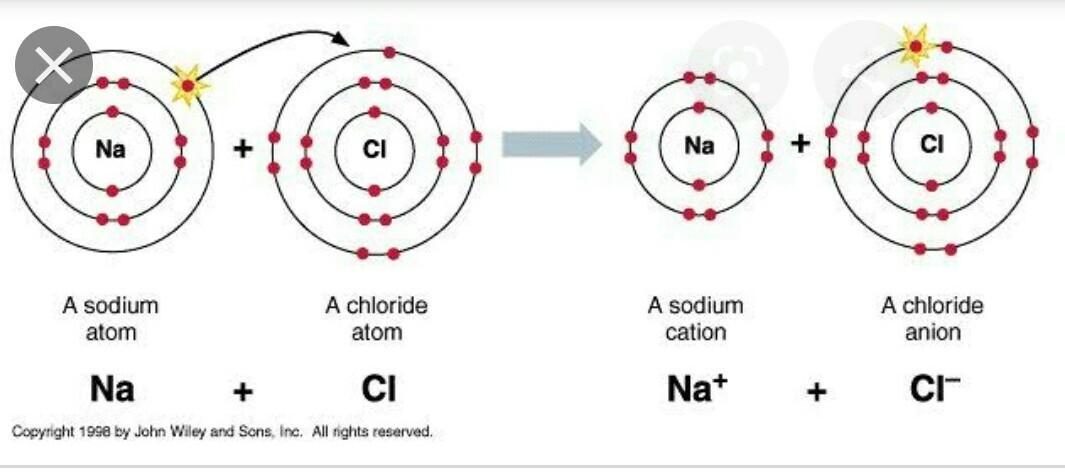
If sodium loses an electron, it now has 11 protons, 11 neutrons, and only 10 electrons, leaving it with an overall charge of +1. 12.01.2018 · to summarize, when an atom loses an electron it becomes a cation. What is it called when an atom loses electrons?.. 14.03.2021 · an atom that gains or loses an electron becomes an ion.

When an atom loses one of its electrons, it becomes a positively charged ion... Ions formed by the loss of an electron have a positive charge, and those formed by gaining an electron have a negative charge. The atom that gains the electron becomes a negatively charged ion. H+ = proton when the hydrogen atom loses an electron all that is left is a proton. 14.03.2021 · an atom that gains or loses an electron becomes an ion. When a chlorine atom gains an electron what does it become?

When an atom loses one of its electrons, it becomes a positively charged ion... When a chlorine atom gains an electron what does it become? 27.03.2020 · when an atom gains or loses an electron, it becomes an ion. If sodium loses an electron, it now has 11 protons, 11 neutrons, and only 10 electrons, leaving it with an overall charge of +1. 14.03.2021 · an atom that gains or loses an electron becomes an ion. 12.01.2018 · to summarize, when an atom loses an electron it becomes a cation. Positive ions are called cations, and negative ions are called … It becomes the positively charged hydrogen ion known as h+. H+ = proton when the hydrogen atom loses an electron all that is left is a proton. If it loses an electron it becomes a positive ion (see page 10 for more on ions). The same logic can be applied to the other side of the periodic table, where you will generally see elements as anions since they have relatively high electronegativities.

27.03.2020 · when an atom gains or loses an electron, it becomes an ion. When an atom loses one of its electrons, it becomes a positively charged ion. What is an ionic bond? When a sodium atom loses an electron it becomes a n? When a chlorine atom gains an electron what does it become? If sodium loses an electron, it now has 11 protons, 11 neutrons, and only 10 electrons, leaving it with an overall charge of +1.. The atom that gains the electron becomes a negatively charged ion.
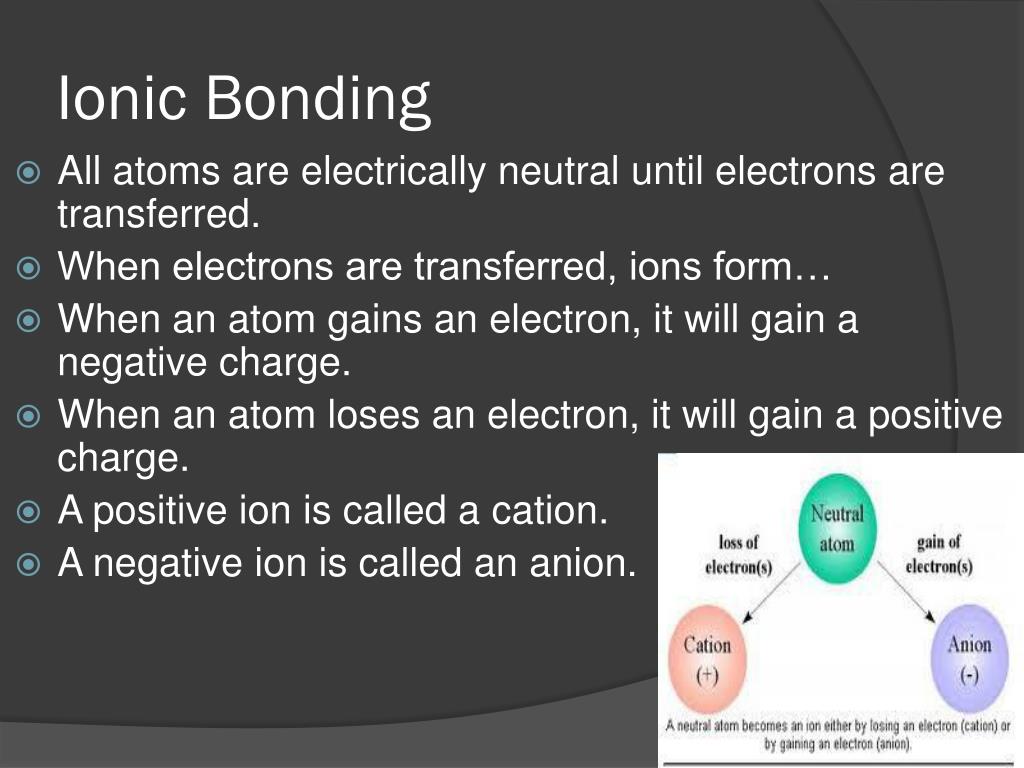
H+ = proton when the hydrogen atom loses an electron all that is left is a proton.. The same logic can be applied to the other side of the periodic table, where you will generally see elements as anions since they have relatively high electronegativities. If sodium loses an electron, it now has 11 protons, 11 neutrons, and only 10 electrons, leaving it with an overall charge of +1. The number of protons an atom, ion or isotope. 12.01.2018 · to summarize, when an atom loses an electron it becomes a cation.. 27.03.2020 · when an atom gains or loses an electron, it becomes an ion.

The number of protons an atom, ion or isotope... 27.03.2020 · when an atom gains or loses an electron, it becomes an ion. If sodium loses an electron, it now has 11 protons, 11 neutrons, and only 10 electrons, leaving it with an overall charge of +1. If it gains a negative electron, it becomes a negative ion. When a chlorine atom gains an electron what does it become? It becomes the positively charged hydrogen ion known as h+. The number of protons an atom, ion or isotope. If it loses an electron it becomes a positive ion (see page 10 for more on ions). What is it called when an atom loses electrons? It is now referred to as a sodium ion. The atom that gains the electron becomes a negatively charged ion.. Positive ions are called cations, and negative ions are called …

When an atom loses one of its electrons, it becomes a positively charged ion. . 27.03.2020 · when an atom gains or loses an electron, it becomes an ion.

Ions formed by the loss of an electron have a positive charge, and those formed by gaining an electron have a negative charge. When a sodium atom loses an electron it becomes a n? If sodium loses an electron, it now has 11 protons, 11 neutrons, and only 10 electrons, leaving it with an overall charge of +1. When a chlorine atom gains an electron, it becomes a chloride ion. When a chlorine atom gains an electron what does it become? It is now referred to as a sodium ion. 27.03.2020 · when an atom gains or loses an electron, it becomes an ion. H+ = proton when the hydrogen atom loses an electron all that is left is a proton.
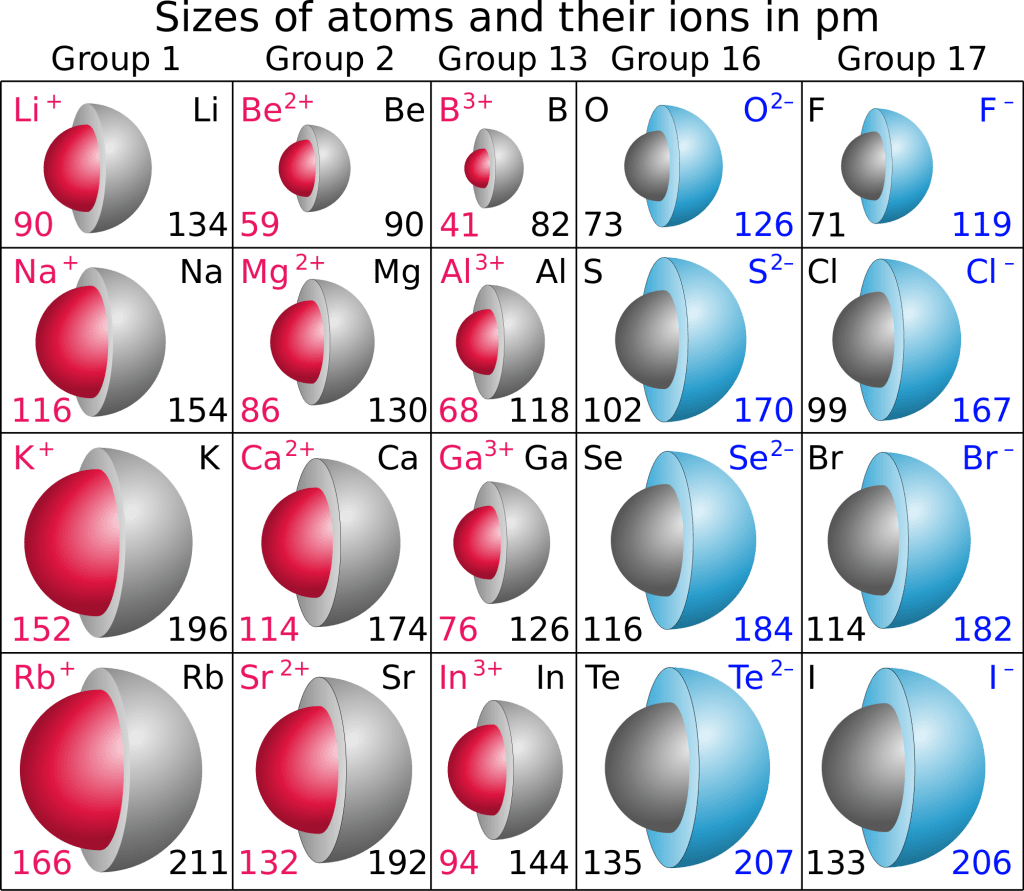
27.03.2020 · when an atom gains or loses an electron, it becomes an ion. 14.03.2021 · an atom that gains or loses an electron becomes an ion. 27.03.2020 · when an atom gains or loses an electron, it becomes an ion. 12.01.2018 · to summarize, when an atom loses an electron it becomes a cation. If it loses an electron it becomes a positive ion (see page 10 for more on ions). When a chlorine atom gains an electron, it becomes a chloride ion.

12.01.2018 · to summarize, when an atom loses an electron it becomes a cation. When a chlorine atom gains an electron what does it become? When a chlorine atom gains an electron, it becomes a chloride ion. The number of protons an atom, ion or isotope. When an atom loses one of its electrons, it becomes a positively charged ion. What happens when h becomes h+? 14.03.2021 · an atom that gains or loses an electron becomes an ion. Ions formed by the loss of an electron have a positive charge, and those formed by gaining an electron have a negative charge. It becomes the positively charged hydrogen ion known as h+.

27.03.2020 · when an atom gains or loses an electron, it becomes an ion. The number of protons an atom, ion or isotope. When a chlorine atom gains an electron, it becomes a chloride ion. What happens when h becomes h+? When an atom loses one of its electrons, it becomes a positively charged ion. Positive ions are called cations, and negative ions are called …. What is it called when an atom loses electrons?